Fashola Rejects Death Penalty for Election Riggers, Calls for Tougher Sentences
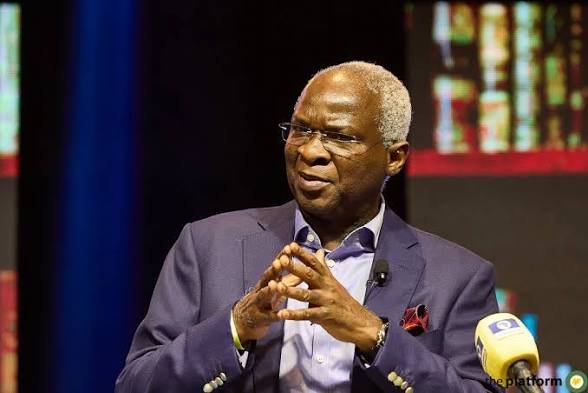
Former Lagos State Governor Babatunde Fashola has rejected calls for election riggers to be killed, saying electoral offences should be punished under the law rather than through threats of violence.
Fashola, a Senior Advocate of Nigeria and former Minister of Power, Works and Housing, made the remarks in an interview with ARISE News anchor Ojy Okpe, aired on Friday, as Nigeria prepares for the 2027 general elections.
He was responding to the “rig and die” slogan attributed to former Deputy Senate President Ovie Omo-Agege and comparisons with former President Muhammadu Buhari’s comments about ballot-box snatchers ahead of the 2019 elections.
Asked whether election riggers should face the death penalty, Fashola replied, “Absolutely not. I mean, come on.”
“I think we must move away from what I think are extreme narratives and rhetoric,” he said.
The former governor argued that the Electoral Act does not prescribe death as punishment for electoral offences. He added that even where an offence attracts capital punishment, an accused person must be charged, tried and given an opportunity to defend themselves.
“The punishment under the Electoral Act is not death. And even if it were death, which I will not support, there’s a process before you take human life; a charge, a trial, an opportunity to defend yourself,” he said.
Fashola urged Nigerians to condemn electoral manipulation without turning elections into an excuse for violence.
“The penalty for rigging is not death. But don’t rig. Go and campaign for your party,” he said.
He advised political parties to focus on mobilising voters in areas where they enjoy support and improving their performance in places where they have less influence, rather than attempting to manipulate election results.
“There are places where each party is popular. There are places where parties will never win, no matter what they do there. That is the reality across the world,” he said.
On whether existing penalties for electoral offences were sufficient to deter offenders, Fashola said some serious violations that undermine democracy should attract stiffer custodial sentences without the option of a fine.
“I think maybe there might be stiffer sentences without option of fine, maybe a defined custodial sentence that is deterrent in nature,” he said.
He argued that serious offences should not be treated as crimes that perpetrators could escape by paying fines.
“I always hold the view that some very serious, really impactful conduct should not be allowed to be monetised, and undermining of democracy is seriously impactful,” he added.
However, Fashola maintained that the death penalty would be excessive for electoral offences.
“I don’t think it goes that far,” he said.
The former governor also called for sustained public education on elections and democratic conduct, noting that Nigeria had repeatedly amended its electoral laws without giving comparable attention to educating citizens about democratic principles.
He proposed nationwide enlightenment on electoral conduct and ethics, including lessons beginning at primary school and delivered in Nigeria’s major languages.
Fashola said reducing desperation around elections required politicians and voters to understand that democracy was a contest in which parties could win in one election cycle and lose in another.
By Oluwafemi Shodipe.