


CBN Recovers N2Trn, Explains Why It Halted Direct Intervention Programmes
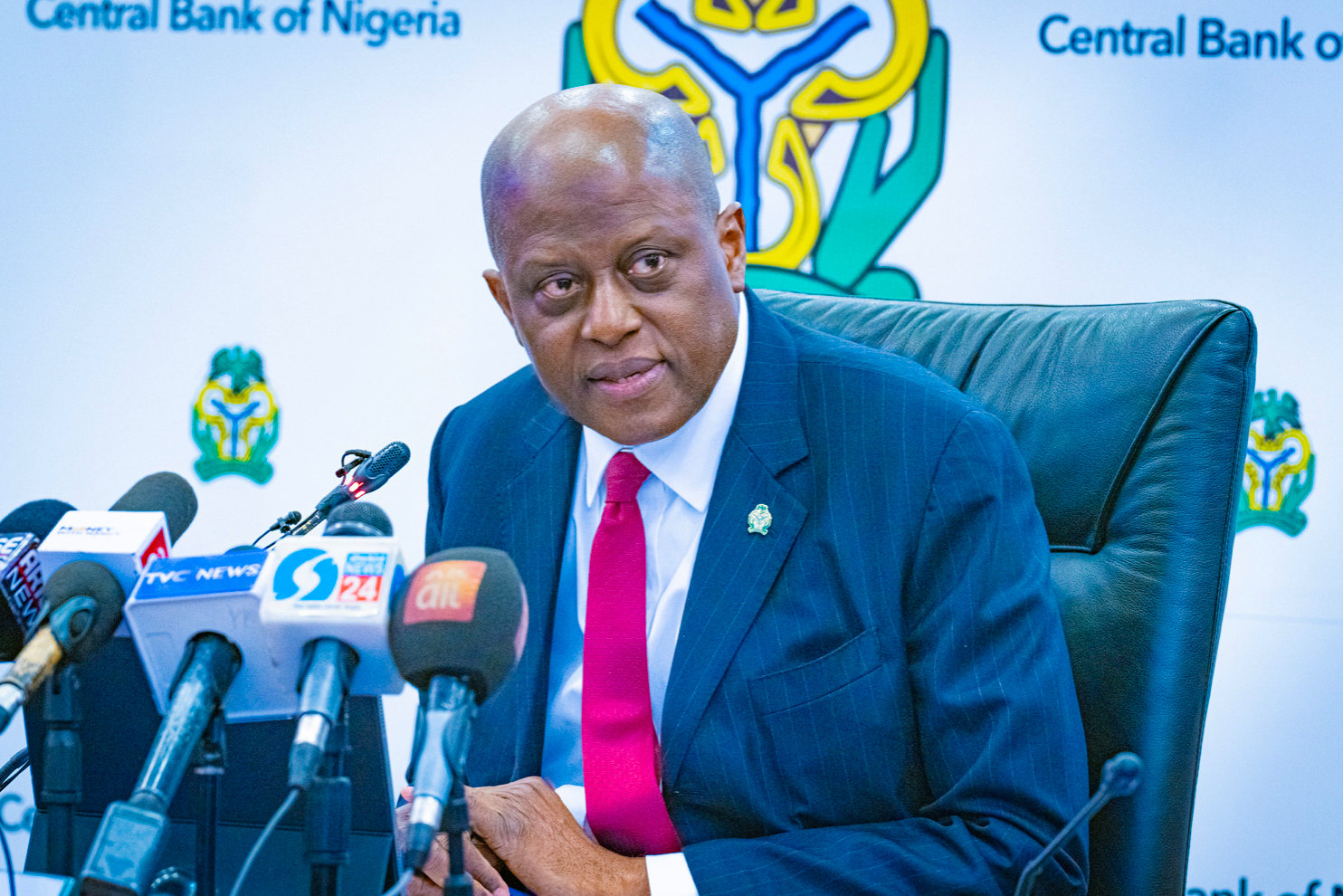
The Central Bank of Nigeria (CBN) says an internal review of its intervention portfolio found total
interventions of about N10.93 trillion, of which N4.69 trillion remains outstanding, and that the bank has
so far recovered roughly N2 trillion since the current management took office, facts the governor says
constrain the apex bank’s ability to launch fresh direct intervention schemes.
CBN Governor Olayemi Cardoso disclosed the figures after the Monetary Policy Committee (MPC)
meeting, describing the outcome of a recent internal survey of past intervention programmes. “We did a
survey, a small study, of interventions in the central bank. And we came out with certain numbers,
which showed that intervention, total amount of intervention was about N10.93 trillion,” he said.
He told reporters that out of that total, N4.69 trillion remains unpaid, and added: “Since we have come, we’ve been able to reign back about N2 trillion. This is a humongous amount of money.”
Cardoso linked the decision to step back from direct intervention financing to the large outstanding
liabilities uncovered by the review. With almost half of past intervention disbursements still unpaid, the
governor said the bank’s balance-sheet exposure limits its capacity to run fresh programmes without
risking macroeconomic instability and further distortions.
He warned that past excessive and poorly targeted interventions had at times destabilised the economy.
The recovery of roughly N2 trillion since the new management took over is important, the governor said,
but the remaining unpaid stock “ties our hands in terms of additional interventions.”
- N10.93tn — the audited total intervention portfolio covering loans and other facilities extended over
prior years. - N4.69tn — outstanding balance the CBN says remains unpaid (about 43% of the audited total).
- N2tn — amount CBN says it has recovered since the current management began work.
These figures have been carried by multiple national business outlets reporting on the MPC briefing and
the bank’s policy stance. Because of the legacy exposure, the CBN said it will prioritise recovering outstanding intervention funds and focus on its core monetary-policy objectives, price stability, exchange-rate management and banking-sector regulation, rather than stepping back into wide-ranging direct development finance.
Cardoso and the bank’s spokesmen said future support to the real economy would be more targeted
and channeled through regulated financial institutions, with clearer monitoring and accountability.
Observers, including financial analysts and civil society watchdogs, say the revelations underscore
long-standing governance challenges around intervention funds, and add urgency to calls for tighter
oversight, transparent reporting, and cooperation between the CBN, fiscal authorities and sector
ministries to design sustainable support programmes.
The CBN’s disclosure arrives amid renewed public scrutiny of past intervention programmes and
demands for accountability from civil-society groups and parliamentary committees. The figures also help explain the bank’s recent stance against reintroducing broad intervention schemes even as parts of
the economy continue to need support.
By Oyinkansola Shittu.

Trying to get back into your account? Looks like mexwin138login is the place to do it. Hope you remember your password!
Anyone heard of wim444? Seems to be connected to winn444. I’m curious. Going to give it a try. Here’s the link: wim444
Alright, wyn09bet. Jumped in for a quick look. Interface is clean and smooth. Might be worth a punt! Peep it here: wyn09bet