Labour Unions, CSOs, Economists Lament As Petrol Nears N1,500/Litre
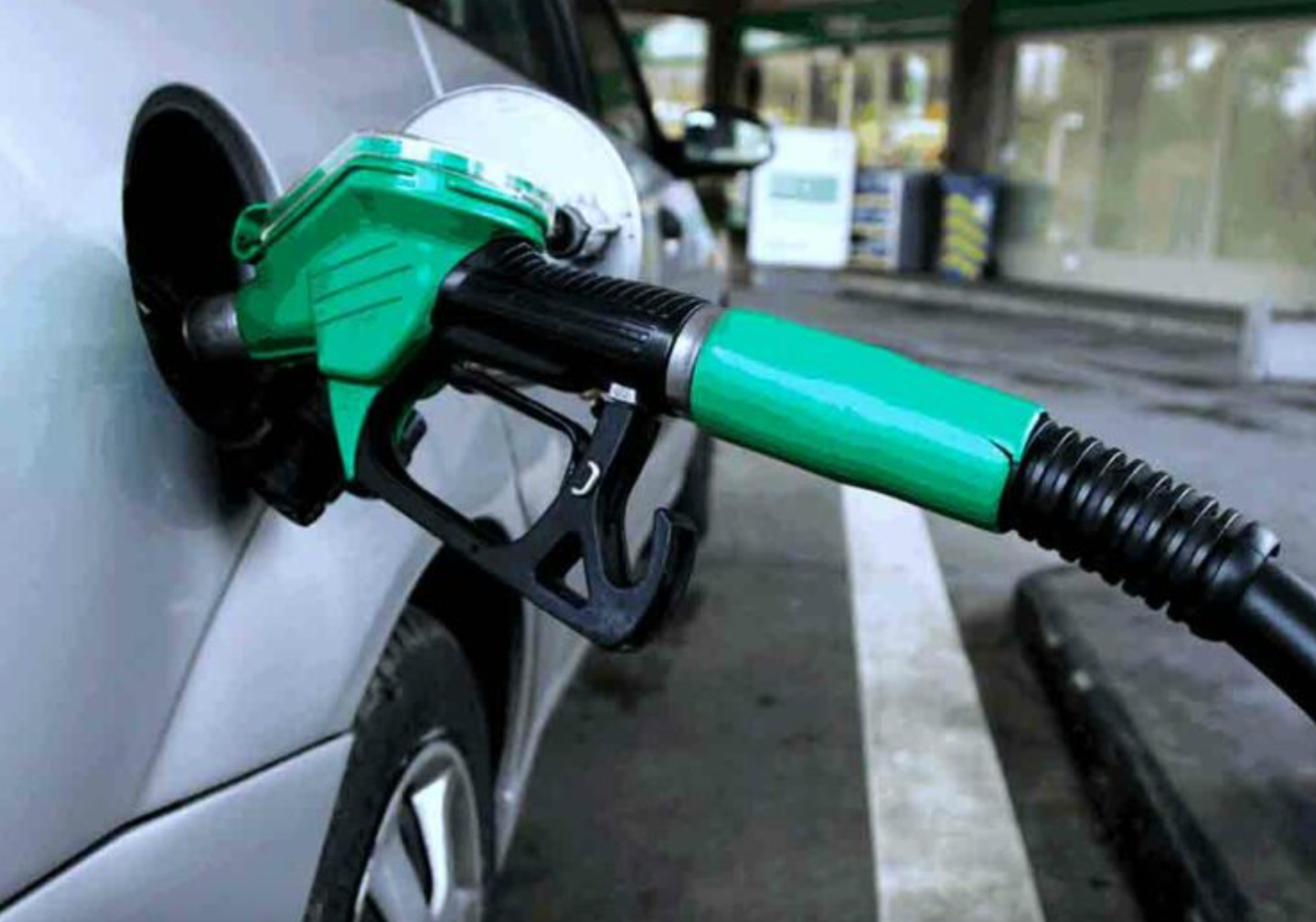
With petrol prices nearing N1,500 per litre amid Middle East tensions, labour unions, economists, manufacturers, and civil society groups have called for urgent government palliatives to ease the economic burden on families and businesses.
They are demanding fuel subsidies, naira-denominated crude for the Dangote Refinery and public refineries, strategic petroleum reserves, expanded public transport, renewable energy incentives, and power sector reforms to counter petrol price increases.
They say that the current pressures are fuelling inflation, business closures, job losses, and hardship for households and small and medium-sized enterprises (SMEs).
This is because the Minister of Information, Mohammed Idris, has stated that Nigeria is ready to boost global oil supply to support energy security.
He highlighted President Tinubu’s reforms, which aim to strengthen the economy and international relations, citing, for instance, the recent UK visit, and noted that African nations are increasingly turning to the Dangote Refinery as an alternative amid tensions with Iran.
Organised labour has called on the Federal Government to take urgent and strategic measures to cushion the impact of rising fuel prices as petrol edges closer to N1,500 per litre.
The Nigeria Labour Congress (NLC) acting General Secretary, Comrade Benson Upah, said the current volatility in the global oil market, largely driven by escalating Middle East tensions, has exposed Nigeria’s lack of preparedness to manage external shocks.
He observed that countries with foresight typically build strategic petroleum reserves to absorb sudden disruptions and stabilise domestic markets. According to him, Nigeria appears to lack such buffers, as evidenced by the crisis’s immediate impact on local pump prices.
Upah stressed that while the government may benefit from increased crude oil revenues, these gains could be short-lived if urgent interventions are not implemented to protect citizens and the economy. He warned that soaring energy costs could trigger widespread inflation, disrupt businesses, and worsen socio-economic conditions across the country.
The labour leader outlined both immediate and long-term expectations from the government. In the short term, he urged authorities to ensure the supply of crude oil in naira to local refineries, particularly the Dangote Refinery, to boost domestic production and reduce reliance on imports.
In the long term, Upah emphasised the need to establish strategic reserves nationwide to mitigate future shocks.