Nigeria’s Cold Chain Crisis: Can Solar Innovation Reduce Post-Harvest Losses?
According to data from the National Bureau of Statistics, agriculture contributes roughly 25 percent to Nigeria’s Gross Domestic Product. Despite this, experts estimate that between 30 and 50 percent of perishable produce spoils after harvest. Fruits spoil in transit, and tomatoes deteriorate in open markets. Fish traders struggle to preserve their stock without a stable power supply.
In Kaduna, tomato farmer Ibrahim Yusuf says he sometimes loses nearly half his harvest before buyers arrive. Without access to cold storage, he sells quickly at reduced prices to avoid total loss.
These losses amount to billions of dollars each year, and income is drained from farmers across the country.
The Cost of Post-Harvest Waste
At an agricultural forum in Abuja, Segun Alabi, Chief Executive Officer of Davidorlah Nigeria Limited, said Nigeria loses between $9 billion and $10 billion annually to post-harvest waste. He linked the losses to weak storage infrastructure, inefficient transportation systems, and poor handling practices.
Alabi noted that these gaps reduce farmers’ earnings and strain national food supply chains. He called for stronger investment in cold-chain systems, rural infrastructure, and modern preservation methods.
For many smallholder farmers, the challenge begins immediately after harvest. Harvesting more does not guarantee profit when crops rot before sale.
Energy and the Storage Gap
Cold storage in Nigeria relies heavily on diesel generators and unstable grid electricity. Rising fuel costs have made refrigeration expensive for small businesses, while many rural communities lack reliable power entirely.
This energy constraint limits how long farmers can store produce and how strategically they can sell it. When refrigeration fails, time works against them.
Solar Cooling as a Response
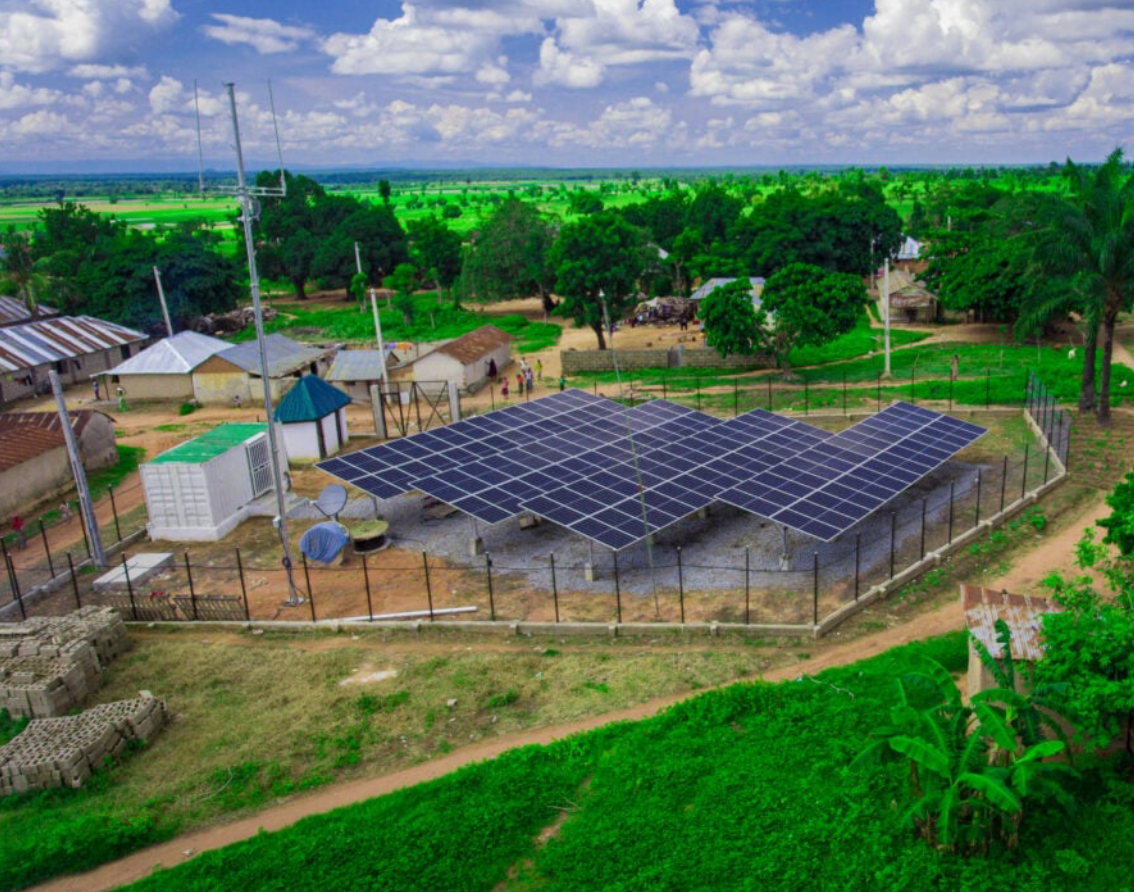
In response, some agricultural technology firms have introduced decentralized solar-powered cold storage systems. These systems use solar panels and thermal storage technology to maintain low temperatures without constant dependence on diesel or grid electricity.
At a product launch reported by BusinessDay, Michael Akinsete, co-founder and Chief Marketing Officer of Ecotutu, said, “Ecotutu’s mission is to democratise access to affordable and reliable cold storage solutions in Africa.” He added that Nigerian farmers, aggregators, and retailers manage an estimated 23 million metric tons of fresh fruits and vegetables worth about $4 billion annually, yet lose between 35 and 45 percent during storage and distribution.
By positioning cooling hubs closer to farms and markets, such models reduce immediate spoilage and give traders more control over when and how they sell.
A Structural Issue
Cold storage remains critical, but production targets will continue to fall short if broader challenges in Nigerian agriculture persist.
Policymakers should expand rural electrification, reward cold-chain investment, and integrate storage planning into agricultural policy.
By Esther O.