


President Tinubu Approves Ban Extension On Raw Shea Nut Export
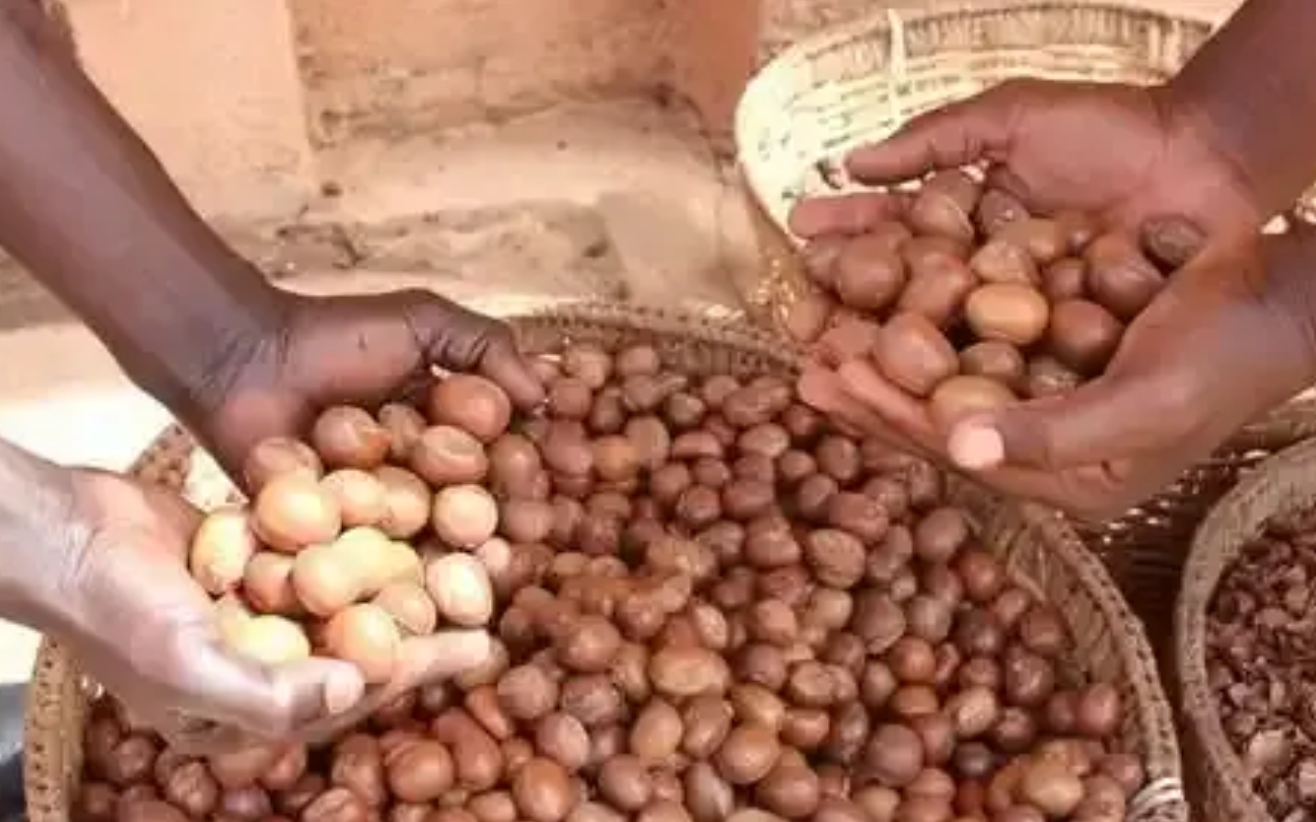
President Bola Ahmed Tinubu has approved an extension of the ban on the export of raw shea nuts for
another year, in a policy move aimed at strengthening Nigeria’s domestic processing capacity and
boosting value addition in the agricultural sector.
According to a statement issued by the presidency on February 25, 2026, the ban will now run from
February 26, 2026, to February 25, 2027, following the expiration of an earlier six‑month restriction that
took effect on August 26, 2025.
Tinubu’s decision underscores the administration’s focus on advancing industrial development,
deepening local value addition, and enhancing livelihoods in shea‑producing communities across
Nigeria.
The shea value chain is a key economic sector, with shea nuts serving as the primary raw material for
shea butter, a high‑value product widely used in cosmetics, food, and pharmaceutical industries.
In the statement, Bayo Onanuga, Special Adviser to the President on Information and Strategy, said the
extension aligns with the priorities of the Renewed Hope Agenda, which seeks to diversify the economy
through increased processing and export of finished goods rather than raw agricultural commodities.
Under the extended ban, the presidency has authorised the Federal Ministry of Industry, Trade and
Investment and the Presidential Food Security Coordination Unit to coordinate a unified national
framework that aligns industrialisation, trade, and investment priorities across the shea nut value chain.
Authorities also approved an export framework established by the Nigerian Commodity Exchange (NCX)
and withdrew all waivers previously permitting direct raw shea nut exports.
The policy requires that any excess supply of raw shea nuts be exported exclusively through the NCX
framework in accordance with the approved guidelines.
The extension reflects the federal government’s broader strategy to promote local processing, create
jobs, and increase foreign exchange earnings by shifting Nigeria away from being a predominantly raw
commodity exporter toward a producer of value‑added products.
Nigeria accounts for a significant share of global shea nut production, and policymakers are seeking to
capture more value within the country by encouraging the establishment and expansion of processing
facilities that can transform raw nuts into shea butter and other finished products.
By Oyinkansola Shittu.


Alright, alright, alright! okebet3 is where it’s at for a simple, no-fuss betting experience. Solid odds and easy to navigate. Makes placing a few bets a breeze. You might get lucky okebet3
Just downloaded the vay88app and it’s slick! All the games right there on my phone, super convenient. Runs well, no crashes so far. Gaming on the go just got a whole lot better vay88app
f888daga, you’re a legend! If you’re into cockfighting, this is the place to be. Great streams, lots of action. Get your bets in and enjoy the show f888daga