
Transport Fares Double As Petrol Price Pushes To N1,200/Litre
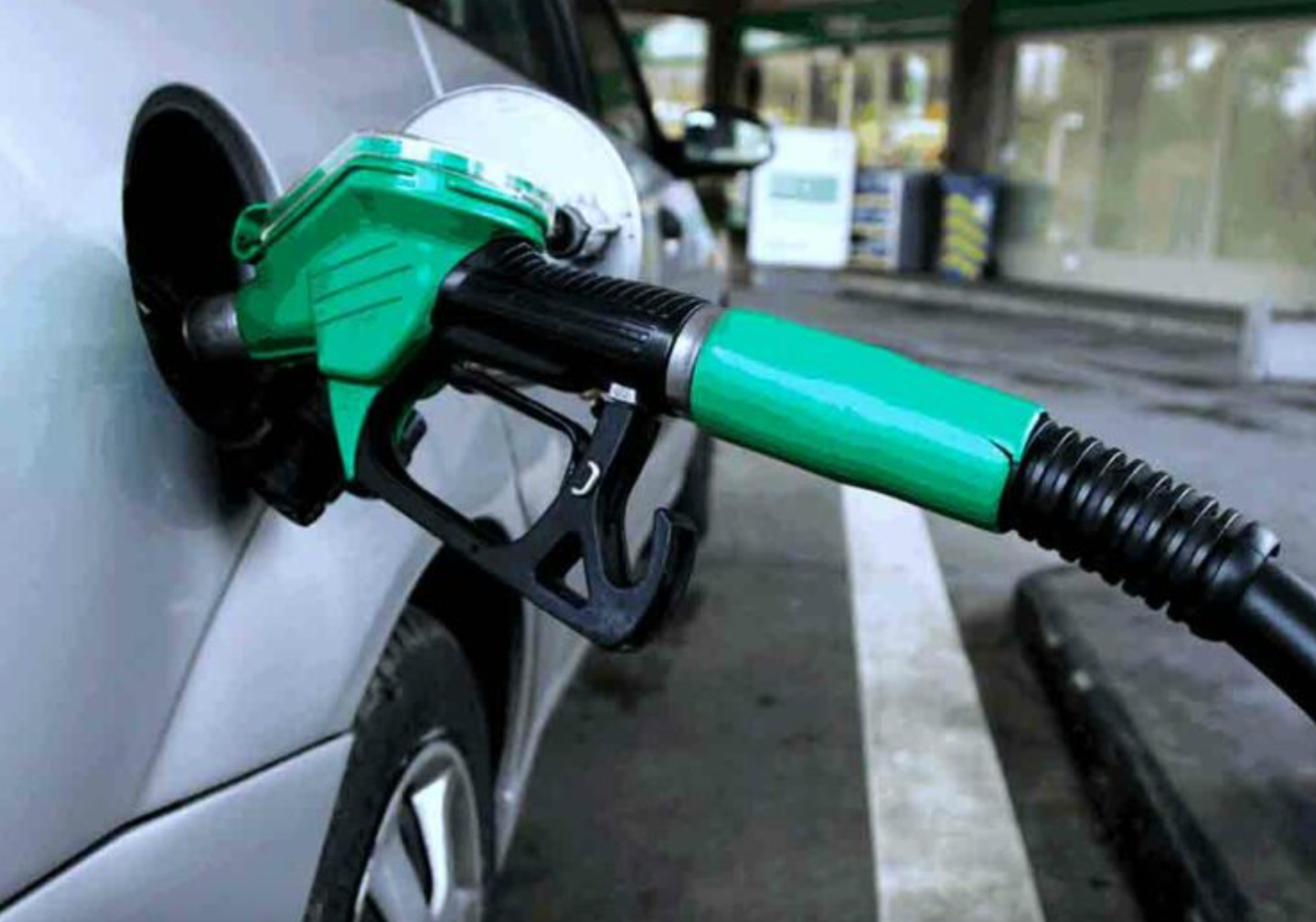
Transportation fares across several Nigerian cities have surged sharply as petrol prices climbed to about
₦1,200 per litre, a development linked to rising global crude oil prices triggered by escalating tensions
involving the United States and Iran in the Middle East.
Market surveys conducted in Lagos and other states showed that some filling stations and independent
marketers raised pump prices to around ₦1,150–₦1,200 per litre, following increases in ex-depot prices
and higher global crude oil costs.
The sharp rise in fuel prices has quickly translated into higher transport costs. In Anambra State, for
instance, commuters reported significant fare hikes for both intra-city and inter-state travel after petrol
reached about ₦1,200 per litre at some stations.
Commercial drivers in several cities said they had no choice but to adjust fares due to the higher cost of
fuel. Some commuters reported that fares on certain routes had doubled, increasing the financial
burden on households already struggling with rising living costs.
Energy analysts say the spike is partly linked to geopolitical tensions affecting the global oil market. The
conflict involving the United States and Iran has heightened fears of supply disruptions, especially
around key shipping routes such as the Strait of Hormuz, pushing international crude oil prices higher.
Industry stakeholders warn that if the conflict persists and global crude prices remain elevated, petrol
prices in Nigeria could rise even further, with downstream operators cautioning that pump prices might
approach ₦2,000 per litre under prolonged market pressure.
Economists note that rising fuel costs typically ripple across the broader economy by increasing
transportation and logistics expenses, which in turn raise the prices of goods and services nationwide.
As Nigerians grapple with the latest increase, transport unions and consumer groups have called on
authorities to explore measures that could cushion the impact on commuters and small businesses.
By Oyinkansola Shittu.