Trump Raises Global Tariffs to 15% After Supreme Court Setback
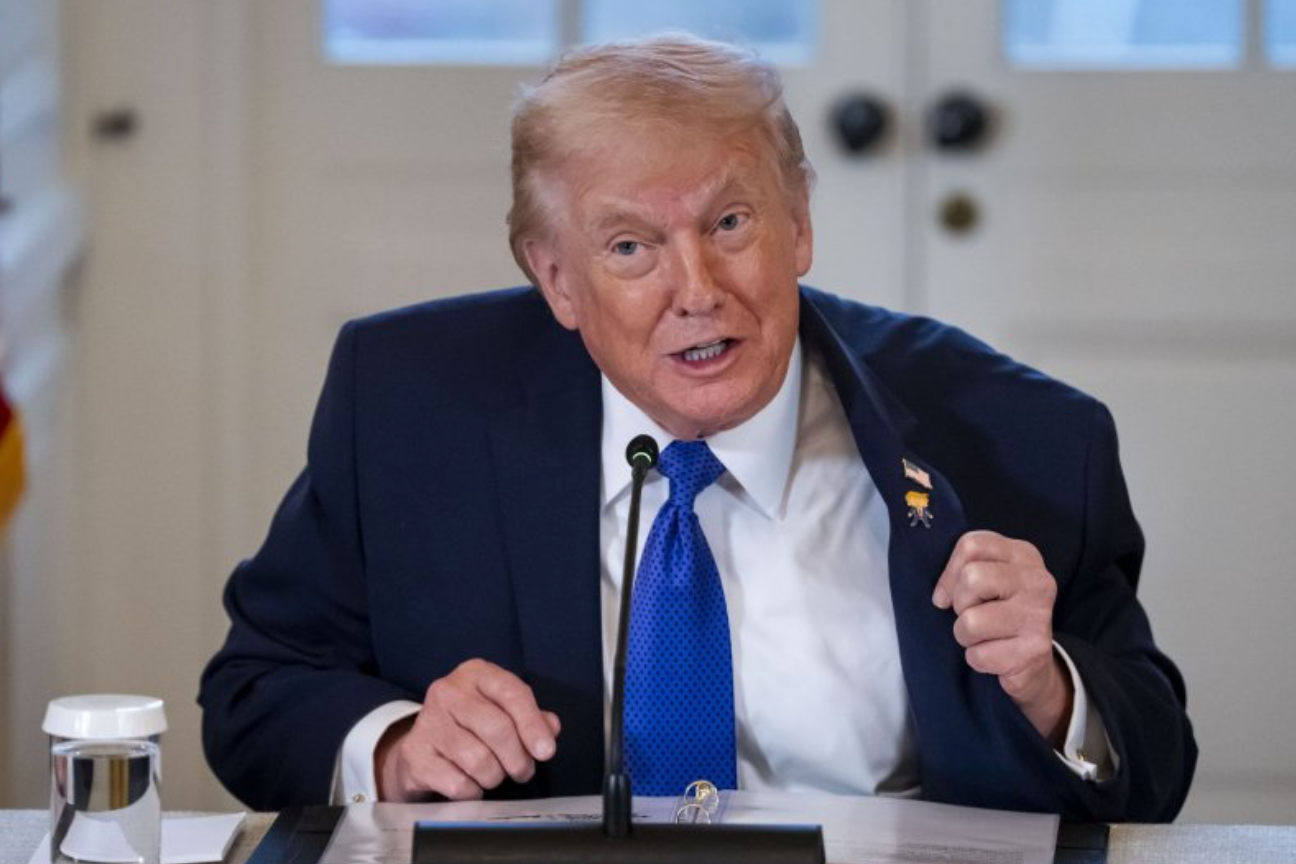
President Donald Trump has announced an increase in the United States’ global tariff rate from 10% to
15%, escalating his administration’s trade policy response following a Supreme Court ruling that
invalidated his earlier tariff regime.
The move comes in direct reaction to a decision by the Supreme Court of the United States, which found
that Trump had exceeded his authority by imposing sweeping global tariffs under emergency economic
powers.
The court ruled that such broad taxation measures fall under the constitutional authority of Congress,
dealing a major blow to one of the administration’s central economic policies.
Reacting to the judgment, Trump sharply criticised the court, describing the ruling as anti-American and
ridiculous, while insisting his administration would continue to pursue aggressive trade measures to
protect domestic industries.
In announcing the new tariff increase, Trump said the revised 15% rate would take effect immediately,
replacing the 10% global tariff unveiled shortly after the court’s decision.
The administration is relying on an alternative legal pathway, Section 122 of the Trade Act of 1974,
which permits the president to impose temporary tariffs of up to 15% for a limited period of 150 days
without prior congressional approval.
However, trade experts have raised concerns about the durability of this approach, noting that the
measure requires legislative backing to remain in place beyond that window.
The tariff escalation has triggered mixed reactions internationally and within the United States. Some
global leaders welcomed the Supreme Court’s ruling as a reaffirmation of institutional checks and
balances, while economists and businesses warned that renewed tariffs could increase costs and
heighten trade tensions.
Domestically, critics, including Democratic lawmakers and industry groups, argue that higher import
duties risk pushing up consumer prices, while supporters within Trump’s political base view the move as
a continuation of efforts to counter what the administration describes as unfair trade practices.
The latest development underscores an ongoing confrontation between the executive branch and the
judiciary over the limits of presidential authority in trade policy, with further legal and political
challenges expected as the administration seeks to implement its revised tariff strategy.
By Oyinkansola Shittu.