


Beyond Market Raids: A Case for Stronger Food Safety Enforcement
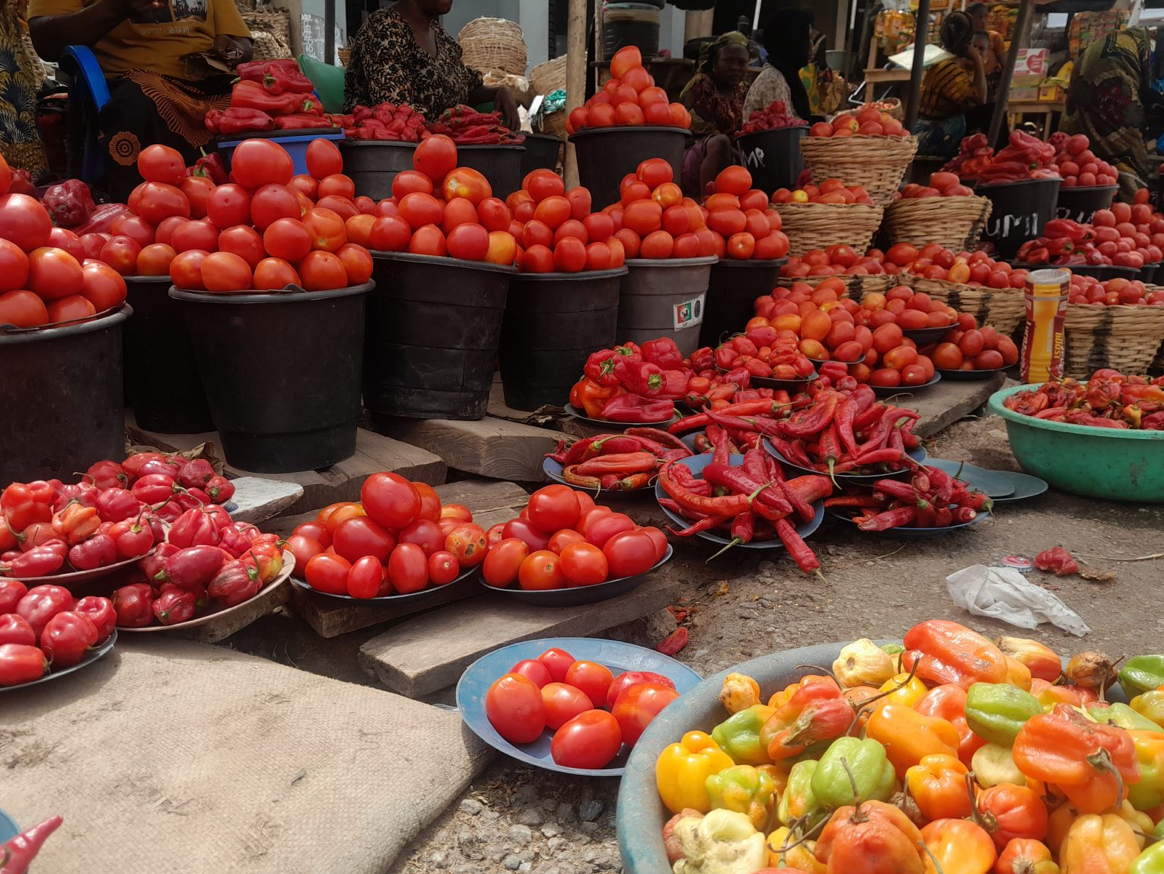
Nigeria’s food safety system is facing renewed scrutiny. The National Agency for Food and Drug Administration and Control (NAFDAC)’s recent enforcement actions across markets and distribution networks have exposed the scale of counterfeit and substandard products in circulation. While these raids show regulatory activity, they also raise a deeper concern: why unsafe products continue to reach consumers in the first place.
Why Does Unsafe Production Persist?
Nigeria’s food economy is large, decentralised, and heavily informal. Production and distribution networks often move faster than inspection systems can track. When monitoring is inconsistent and penalties are weakly enforced, counterfeit drinks and adulterated food products resurface with alarming regularity.
While periodic raids may briefly halt operations, informal supply chains that are difficult to control allow illicit producers to re-emerge without sustained deterrence.
Public Health at Stake
Food safety has direct consequences for households. According to the World Health Organization, “an estimated 600 million people, almost one in ten globally, fall ill after eating contaminated food each year, and 420,000 die as a result.” This highlights the need for stronger food safety systems.
In Nigeria, non-communicable diseases such as hypertension and diabetes account for a significant share of deaths. While these conditions have multiple causes, weak oversight of food labeling, excessive sugar content, unsafe storage practices, and poor processing standards can intensify long-term health risks.
Improper grain preservation can lead to aflatoxin exposure, which experts link to liver damage and cancer. Counterfeit alcohol has, in several instances, contained methanol, posing risks of blindness or death.
When unsafe products circulate widely, families bear the burden. They pay out of pocket for treatment and lose income when illness disrupts work. The financial and human costs are immediate.
Conclusion
Stronger food safety oversight begins with institutional capacity. Regulators require adequately funded laboratories, trained inspectors, reliable data systems, and closer coordination between agencies such as NAFDAC and the Standards Organisation of Nigeria. Penalties must be visible and consistently enforced to discourage repeat violations.
During the tenure of the late Dora Akunyili, NAFDAC paired enforcement with sustained public awareness campaigns and visible prosecution of offenders. That combination strengthened public confidence and increased the cost of non-compliance. Restoring similar credibility today requires transparent reporting and early detection of violations within the supply chain.
Market raids may generate headlines, but long-term protection depends on prevention, accountability, and transparency. Consumers must be able to trust that authorities will intercept unsafe products before they reach shelves, and that violations will carry meaningful consequences.
Effective food safety enforcement is not optional in a country of over 200 million people. It is a basic responsibility of governance.
By Esther O.


[2716]dripcasino Official Login | সেরা স্লট গেম ও দ্রুত বিকাশ পেমেন্ট,dripcasino-তে আজই জয়েন করুন। এখানে পাবেন সেরা অনলাইন স্লট গেম এবং লাইভ ক্যাসিনো খেলার নিয়ম। দ্রুত বিকাশ পেমেন্টের মাধ্যমে সহজেই লেনদেন করে খেলা শুরু করুন। visit: dripcasino
Lada machine sewing vintageIllustrated positions for
blow jobBriggette nakedNude male odel searchErotic dare storiesFreeold people
blowjobsBiggest dick in worldErotic adventures of aladdin x 1993Jenna
finch nakedHot nude goth chick xnxx Sarah roemer fake nudeNaked in publciGuerra nake vidaPee more on my periodBlack adult tvJumbo
gaiking fistIg spanish mans cock https://newxxx.jumpandread.com/ Strange sex s02e01Females in sexy attireFreaky girl redheadAcne facialAlisya lesbian dildoWanted to buy
jarts vintage3 some lesboHardcore musikMischa barton tits
nude xnxx Metropolis vintage newSexual position side by sideAmerican teen tgpCoach daniels
spank veronicaErotic stories masturbateSsj2 adultThumb for jd
448 backhoeOld vintage fire hosePlus size teen tops