


Tinubu Signs Executive Order for Direct Remittance of Oil and Gas Revenues to Federation Account
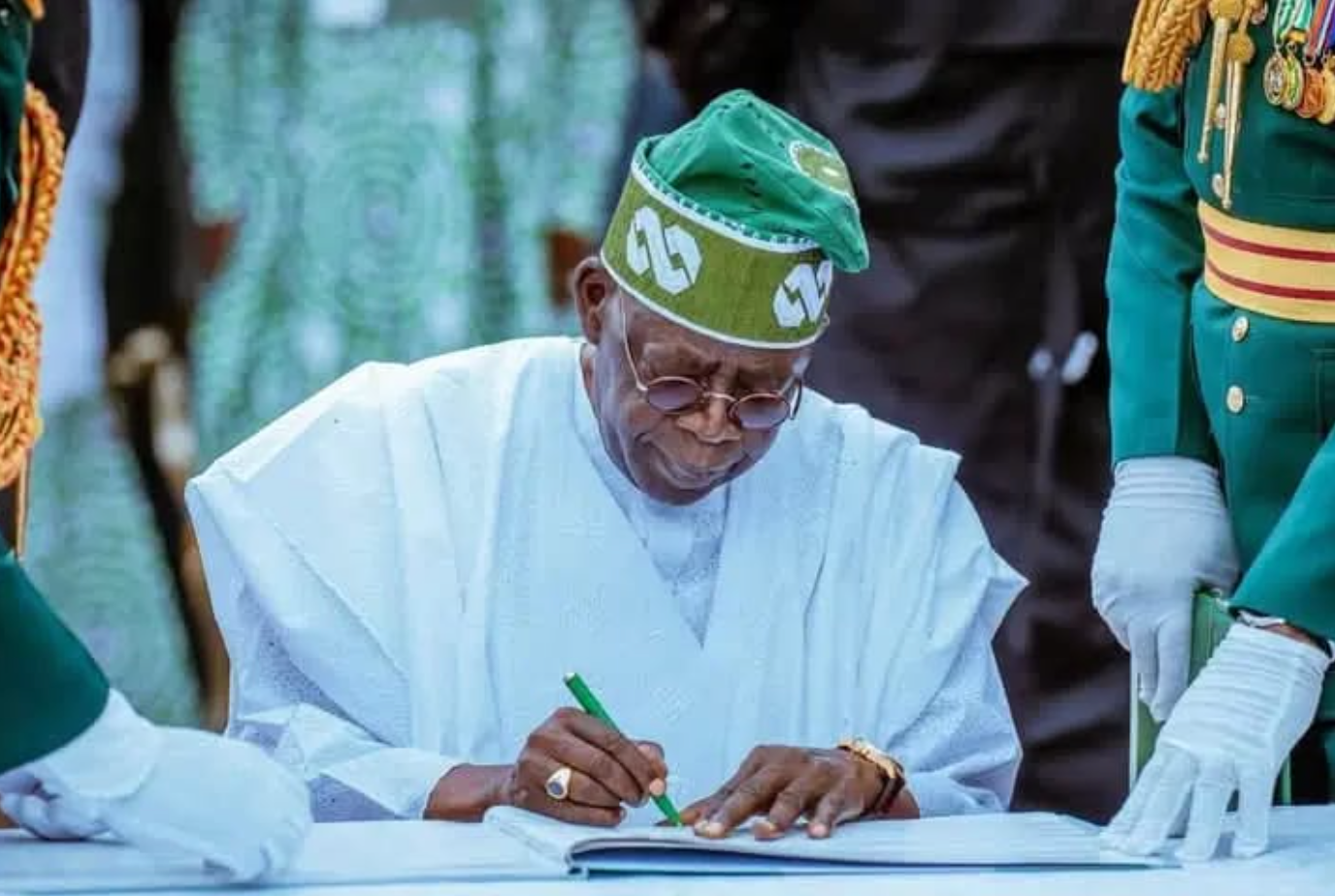
President Bola Ahmed Tinubu has signed a landmark Executive Order directing that all oil and gas
revenues owed to the Federal Government be remitted directly into the Federation Account Allocation
Committee, a major fiscal reform aimed at strengthening public finances and boosting transparency in
the petroleum sector.
The executive order, gazetted and signed on February 13, 2026, was announced by the Presidential
Spokesperson Bayo Onanuga in a statement on Wednesday.
It is anchored on Sections 5 and 44(3) of the Constitution of the Federal Republic of Nigeria, which vest
ownership and control of mineral resources, including oil and gas, in the Government of the Federation.
Under the new directive, royalties, petroleum profit taxes, profit oil, profit gas and other statutory
revenues previously subject to deductions or retained under the Nigerian National Petroleum Company
and related agencies will now flow fully into the Federation Account.
Revenues that were once retained as management fees, frontier exploration funds and other allocations
under the Petroleum Industry Act (PIA) framework have been abolished for direct remittance.
The reform also suspends the payment of gas flaring penalties into the Midstream and Downstream Gas
Infrastructure Fund, instead directing all such proceeds into the Federation Account.
Expenditure from funds previously held in industry-specific accounts will now be conducted in
accordance with public procurement laws and fiscal best practices.
According to the presidency, the order is intended to curb wasteful spending, eliminate duplicate
deductions, reduce revenue leakages and restore the constitutional entitlements of the federal, state
and local governments.
Officials said the reforms will enhance national budgeting, support debt sustainability and help
strengthen economic stability.
To ensure coordinated implementation, President Tinubu approved the establishment of an
Implementation Committee comprising senior government officials, including the Minister of Finance
and Coordinating Minister of the Economy, the Attorney-General of the Federation, the Minister of
Budget and National Planning, the Minister of State for Petroleum Resources (Oil) and other key
stakeholders. The Budget Office of the Federation will serve as the committee’s secretariat.
The executive order has been widely viewed as part of the federal government’s broader agenda to
reform the oil and gas sector and optimise revenue flows to boost service delivery and public
investment across Nigeria’s three tiers of government.
By Oyinkansola Shittu.

Jilicrovn, eh? Not bad, not bad at all. Had a few quid on it and didn’t do too badly. Give it a whirl you know: jilicrovn
Vuagaaz is all good, you will have a right ol’ chuckle when you see what they have over there to play with: vuagaaz
Alright alright alright! 5sbetwin surprised me, honestly. Good selection and the site’s easy to navigate. Give it a whirl, why not? Here’s the link: 5sbetwin