

Gulf States Reevaluate Western Universities Over Ideology and Security Concerns
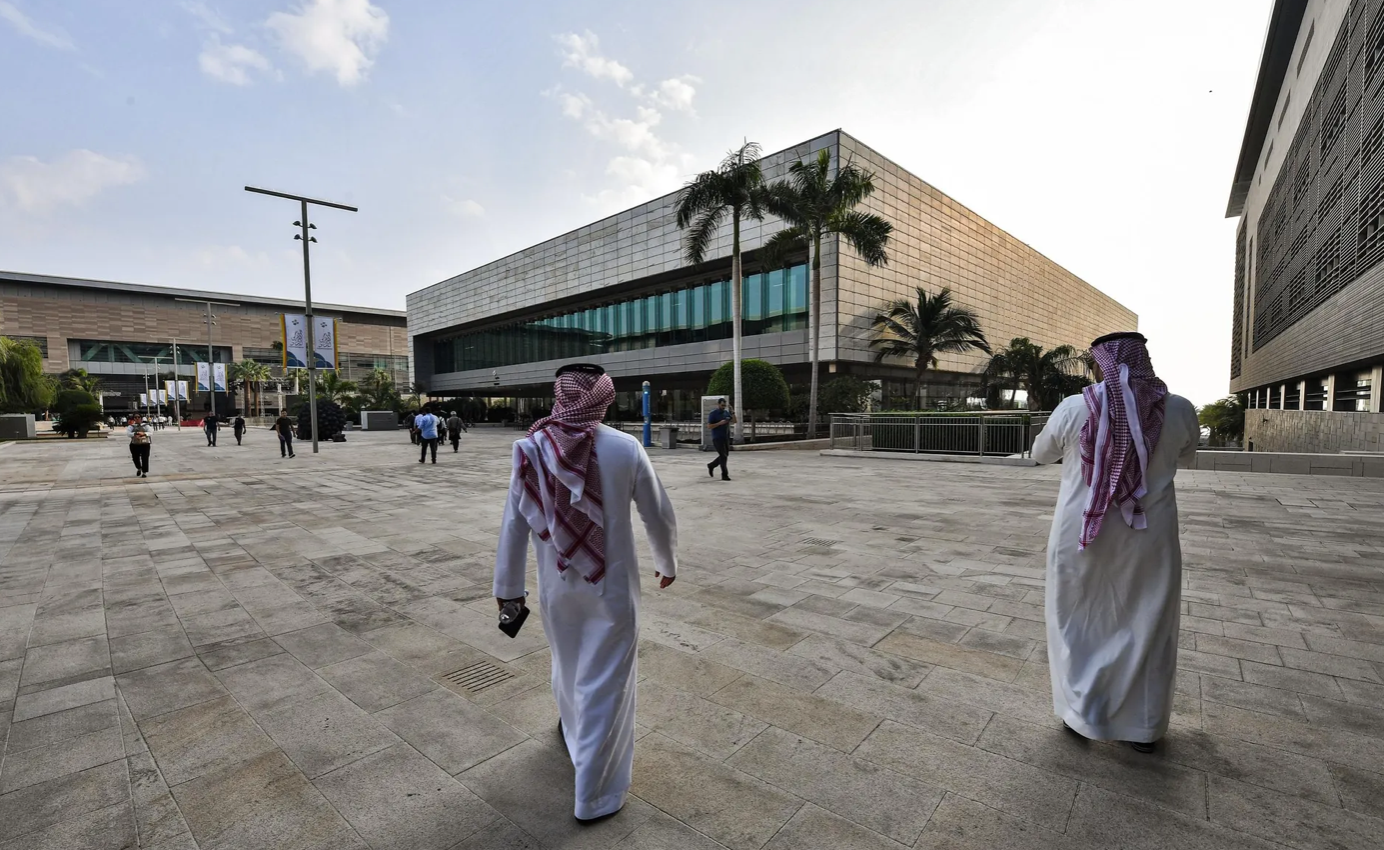
Gulf countries, including the UAE, are reassessing scholarships for students at Western universities amid concerns over campus incidents linked to extremist ideologies. Officials are increasingly weighing not just academic quality but also the ideological environment students encounter abroad.
Campus Ideology Under Review
In a recent policy shift, the UAE removed British universities from its list of eligible institutions for state scholarships in 2026, while institutions in the United States, Australia, France, and Israel remain eligible. Reports indicate that UAE authorities informed British counterparts that the decision was deliberate, aiming to protect students from potentially extremist environments.
During the 2023–24 academic year, 70 students at UK universities were referred to the government’s Prevent programme on signs of “Islamist radicalisation,” nearly double the number from the previous year. While British officials emphasise academic freedom and campus safety, Gulf authorities view scholarship restrictions as a precautionary measure.
The policy shift has drawn attention abroad. In the United States, Vice President JD Vance commented that “some of our best Muslim allies in the Gulf think the Islamist indoctrination in certain parts of the West is too dangerous.”
Foreign Funding and Institutional Trust
Western universities receive billions in donations from Middle Eastern governments and foundations. While institutions maintain that such funding does not dictate curricula, concerns about transparency and influence persist.
Global Implications.
Experts say universities are entering a period in which academic reputation alone may no longer suffice. Ahmed Sharif Al‑Amri, an Emirati political analyst, noted that the UAE’s decision reflects “security concerns rather than a technical adjustment based on rankings”, highlighting the need for universities to address potential ideological risks on campuses. Daniele Garofalo, an expert on Islamist and radical groups, described the policy as a geopolitical signal that uses education funding strategically to influence international partnerships. Together, their commentary underscores that universities are not only judged on academics but also on how they manage ideological exposure and safeguard global students.
Governments worldwide are increasingly linking international education to security and social stability. Australia, for example, has stepped up vetting of international student applications, showing how education intersects with national interests.
With global student mobility valued at over $300 billion annually, changes in Gulf engagement could affect university finances, research collaborations, and the broader landscape of international academic exchange.
Looking Ahead.
Western universities face a critical challenge in maintaining open and innovative campuses while addressing legitimate concerns from international partners.
How institutions navigate these issues will shape the future of global education and determine whether partnerships with Gulf states and other regions remain sustainable.
By Esther O.

Tính năng bảo mật hai lớp (2FA) tại xn88 giúp tài khoản của quý khách luôn nằm trong tầm kiểm soát an toàn, tránh mọi hành vi xâm nhập trái phép. TONY05-07
Tôi rất thích giao diện và nội dung của trang 888slot. TONY05-29