


“We Had to Drink Water from the Sea”: The Untold Story of Migrant Deaths in the Sahel
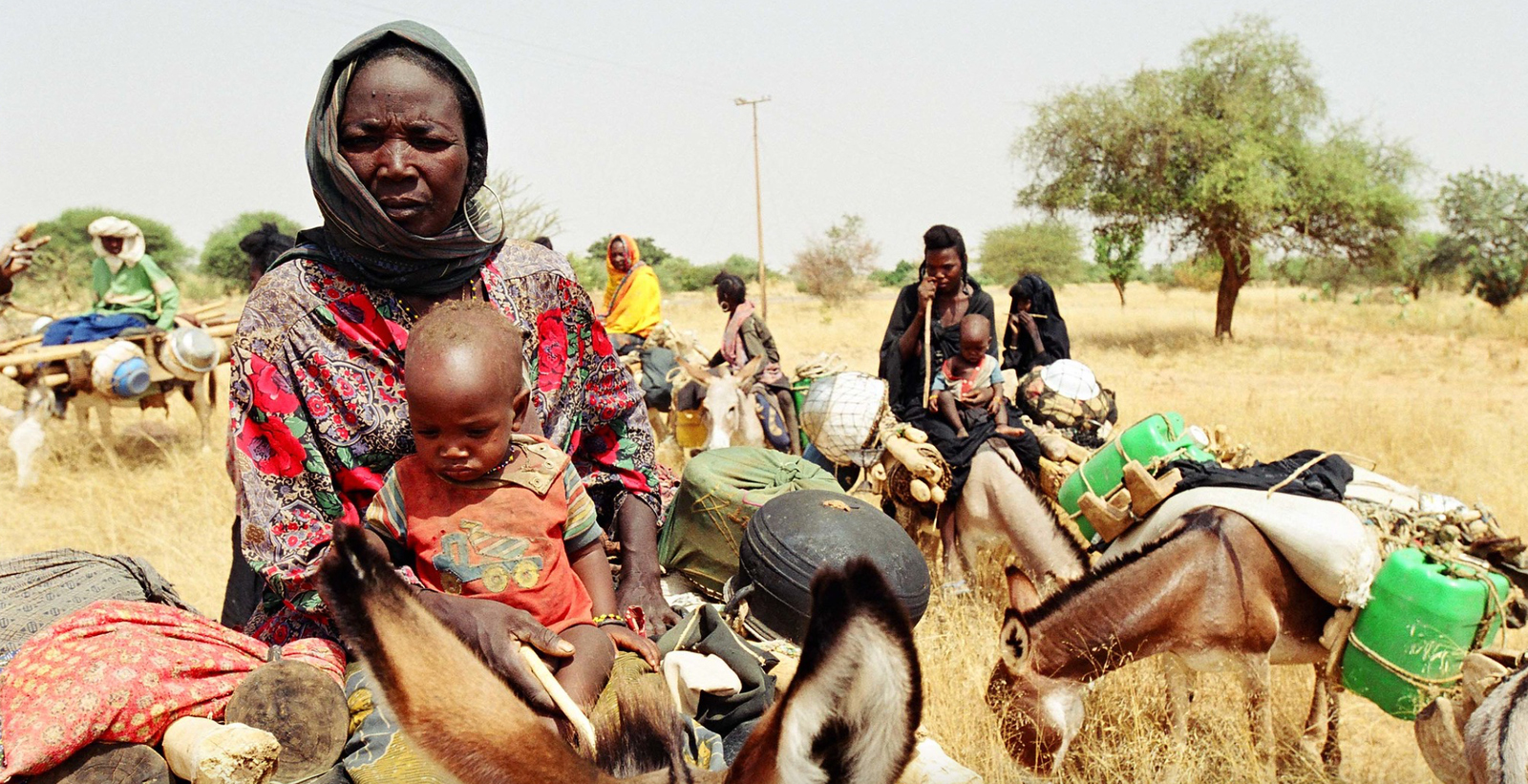
A Journey Through Danger.
A recent post by a man who migrated to Europe via the Sahel lingered in my mind long after I read it. He described how conditions deteriorated so badly during the journey that they resorted to drinking their urine to ease their thirst temporarily.
Such risks might suggest people fleeing active war zones. Yet, for many West Africans, especially Nigerians, the motivation is different. They are escaping a steady erosion of economic security, opportunity, and dignity at home. Despite years of heartbreaking survivor testimonies, thousands continue to gamble with their lives along one of the world’s deadliest migration corridors.
In 2024, officials recovered 739 bodies across the Sahel, a vast and largely unmonitored transit corridor for migrants travelling from West Africa toward North Africa and Europe. Dehydration, extreme heat, trafficking-related violence, and abandonment along desert routes caused these deaths. In reality, these numbers are only a fraction of the actual deaths that occur on this route. Many are undocumented.
Record Global Fatalities.
Globally, the International Organization for Migration (IOM) reported that 2024 became the deadliest year on record for migrants, with at least 8,938 deaths documented worldwide. According to IOM officials, this number is almost certainly an undercount. “The tragedy of the growing number of migrant deaths worldwide is both unacceptable and preventable,” said Ugochi Daniels, Deputy Director of IOM. “Behind every number is a human being, someone for whom the loss is devastating.”
The crisis was already severe in 2023, when over 8,500 migrant deaths were registered. Within that figure, the Nigerian Immigration Service reported that over 1,200 Nigerian citizens died while attempting irregular migration through the Sahara Desert and across the Mediterranean Sea.
Migrants who survive these journeys describe conditions that are often uncounted in official records. In Tunisia, one group of African migrants reported scenes of desperation during desert transit. “There was no water left,” said one 29-year-old. “We had to drink water from the sea. Imagine that. We had no other choice.”
Survivors of Mediterranean crossings also recount similar conditions aboard. Humanitarian organisations have documented rescues in which migrants describe spending hours or days at sea in overcrowded boats, with little food, minimal water, and no protection from harsh weather. Many of these vessels capsize before help arrives, leaving no trace of those on board.
The Hidden Toll.
As border controls tighten and legal migration pathways remain limited, migrants increasingly take longer, more remote, and more dangerous routes. The Sahel and Sahara remain among the least monitored migration corridors in the world. The deserts lack emergency services, communication networks, or consistent state presence, making rescue and documentation nearly impossible.
According to Julia Black, Coordinator of IOM’s Missing Migrants Project, “The rise in deaths is terrible in and of itself, but the fact that thousands remain unidentified each year is even more tragic.”
A Crisis That Begins at Home.
The scale of these deaths demands more than sympathy. It requires serious reflection on the domestic conditions pushing people toward such perilous choices. In Nigeria, persistent economic instability, unemployment, insecurity, and governance failures continue to make irregular migration appear, to many, as the last available option.
Strengthening border controls alone will not solve this problem; it will only push migrants toward longer and deadlier routes. Coordinated efforts are urgently needed. These efforts should expand safe and legal migration pathways, strengthen regional cooperation, and improve monitoring across deserts and dangerous sea crossings. Most importantly, governments must address the root causes that drive citizens to risk death in search of survival.
By Esther O.


Looking for the vipph apk? Gotta be careful out there where you download from! Might be worth checking this official source first: vipph apk
Hey all, tried lucky king.vip the other week. Registration was smooth and the selection of games kept me entertained for a while. Worth a visit if you’re bored. lucky king.vip
Royalwin app is legit! Smooth gameplay and haven’t had any issues yet. Definitely worth checking out if you’re looking for something new to play. Get on it! royalwin app
Bạn có thể đặt cược tự động theo chiến lược tại chơi có trách nhiệm – tiết kiệm thời gian và duy trì kỷ luật cá cược. TONY03-25