


Living in the Shadows: Mental Health Struggles in Nigeria
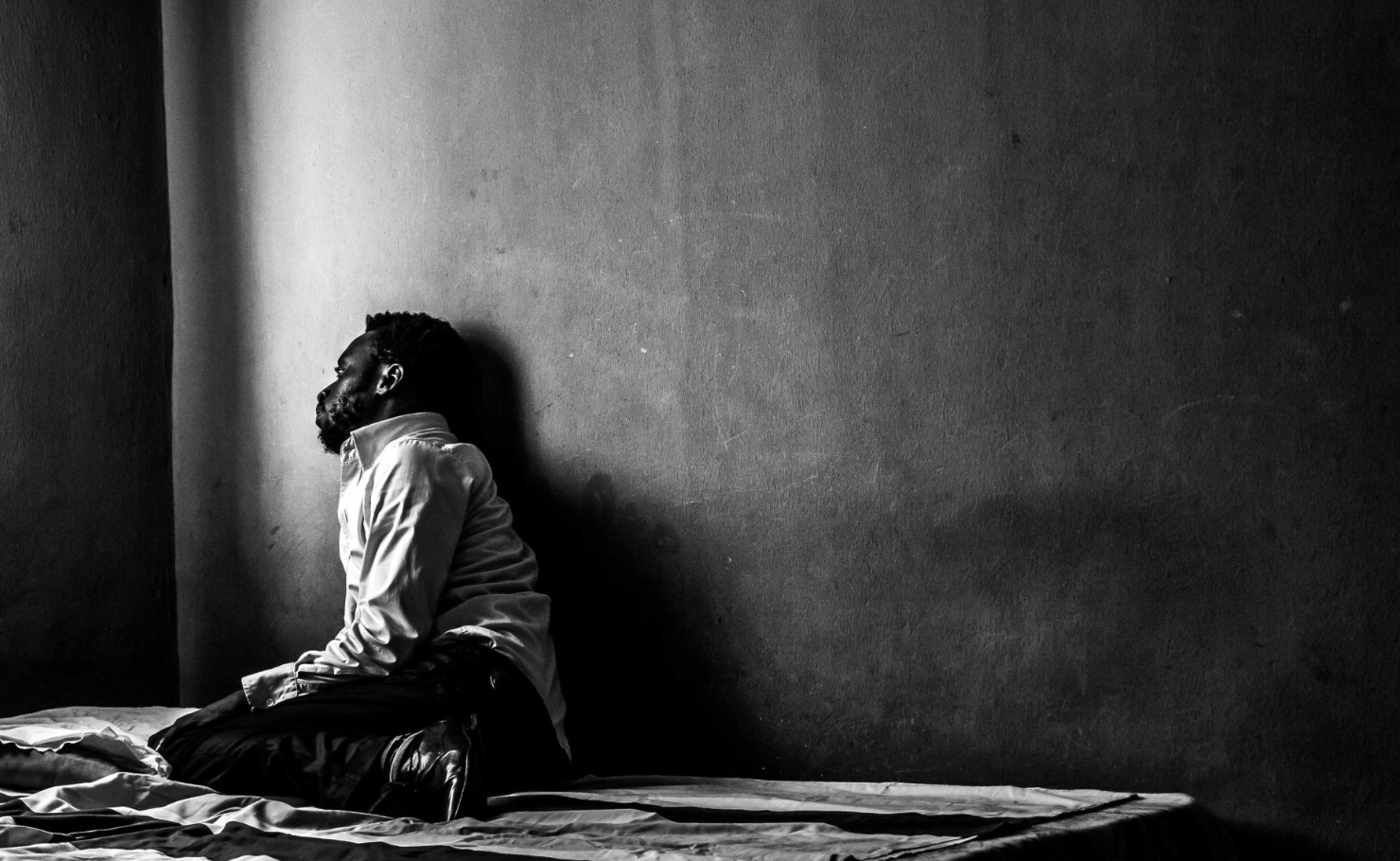
If you live in Nigeria, chances are you know someone struggling with mental health, or maybe you are that person. Mental disorders affect thoughts, emotions, and behavior, including conditions like depression, anxiety, schizophrenia, bipolar disorder, eating disorders, and addictive behaviors. There is rarely a single cause; biological, psychological, and social factors, along with substance abuse, often contribute to developing a disorder.
For those living with serious conditions like schizophrenia or bipolar disorder, life can be a daily challenge. But it is not just about the illness itself. Stigma, misunderstanding, and the high cost of care often make everyday life even harder. According to the World Health Organization, about one in four Nigerians, nearly 50 million people, will experience a mental illness in their lifetime, yet less than 10 percent receive proper treatment, with most mental health services concentrated in major cities.
When Loved Ones Do Not Understand.
Life can be especially difficult when family and friends do not understand what you are going through. Well-meaning relatives may dismiss symptoms as “bad behavior” or attribute them to curses or spiritual problems.
In October 2020, Nollywood actress Chacha Eke Faani shared her experience living with bipolar disorder in an Instagram video from the hospital. She explained that several psychiatrists assessed and confirmed her diagnosis. “Bipolar disorder is real. People misunderstand it in Africa. I am living with it and managing it,” she said. Her openness has helped challenge stigma and encouraged others to seek help.
Real Stories of Schizophrenia.
Dr Terver Simon Chieshi, a Nigerian medical professional, was diagnosed with schizophrenia in 1990 while studying medicine. He paused his studies to receive treatment and later returned, learning to manage his condition while continuing his career as a chief medical officer in Benue State. He explained, “People often treat those with mental illness as if they are mad. But those of us with schizophrenia see the world differently, not incorrectly.” His story shows how misunderstanding can deepen stigma even among educated communities.
Stigma, Misconceptions, and the High Cost of Care.
Many Nigerian communities still tie mental illness to myths. Some believe that conditions like schizophrenia or bipolar disorder are caused by witchcraft or moral failings. Public reactions can range from ridicule to avoidance, discouraging professional help. Many turn to unregulated spiritual remedies, which do not address the illness and can prolong suffering.
Even when people try to get help, it can be expensive and difficult to access. Nigeria has fewer than 300 psychiatrists for a population of over 200 million, most of whom work in cities. Public mental health facilities are often understaffed and underfunded, while private services can cost as much as a family’s monthly rent. Psychiatrist Dr Maymunah Kadiri estimates that “over 75 percent of Nigerians living with mental health challenges do not have access to medical care.”
Voices Making a Difference.
Some Nigerians are refusing to accept the status quo. Hauwa Ojeifo, who lives with bipolar disorder and PTSD, founded She Writes Woman, an organization providing teletherapy and mental health awareness campaigns. She said, “Keeping quiet was literally a life-or-death situation, and so I started to talk.” Voices like hers, along with Chacha Eke Faani and Dr Terver Chieshi, show the power of speaking out and seeking help, giving hope to many who might otherwise suffer in silence.
Why This Matters.
Mental illness affects more than the individual. Families carry emotional and financial burdens. Friends and colleagues may withdraw. The healthcare system struggles to meet demand. Awareness, empathy, and education are crucial. Better funding, trained professionals, and community outreach can help close the treatment gap and reduce stigma. Everyone deserves to live without fear of judgment or neglect.
A Way Forward.
Nigeria has made some policy moves, such as the Mental Health Act of 2021, but implementation has been slow. Real change requires communities, government, and individuals to treat mental health as a priority rather than a taboo. By talking openly, learning the facts, and supporting one another, Nigerians living with mental health conditions can receive the attention, acknowledgment, and care they deserve.
By Esther O.


Hiya! I just want to give an enormous thumbs up for the nice information you will have here on this post. I shall be coming again to your weblog for extra soon.
Điều khiến mình quay lại sportzfy tv nhiều lần là tốc độ phản hồi nhanh. TONY09-18