


The Unseen Struggle: A Story of Maternal Care in Nigeria
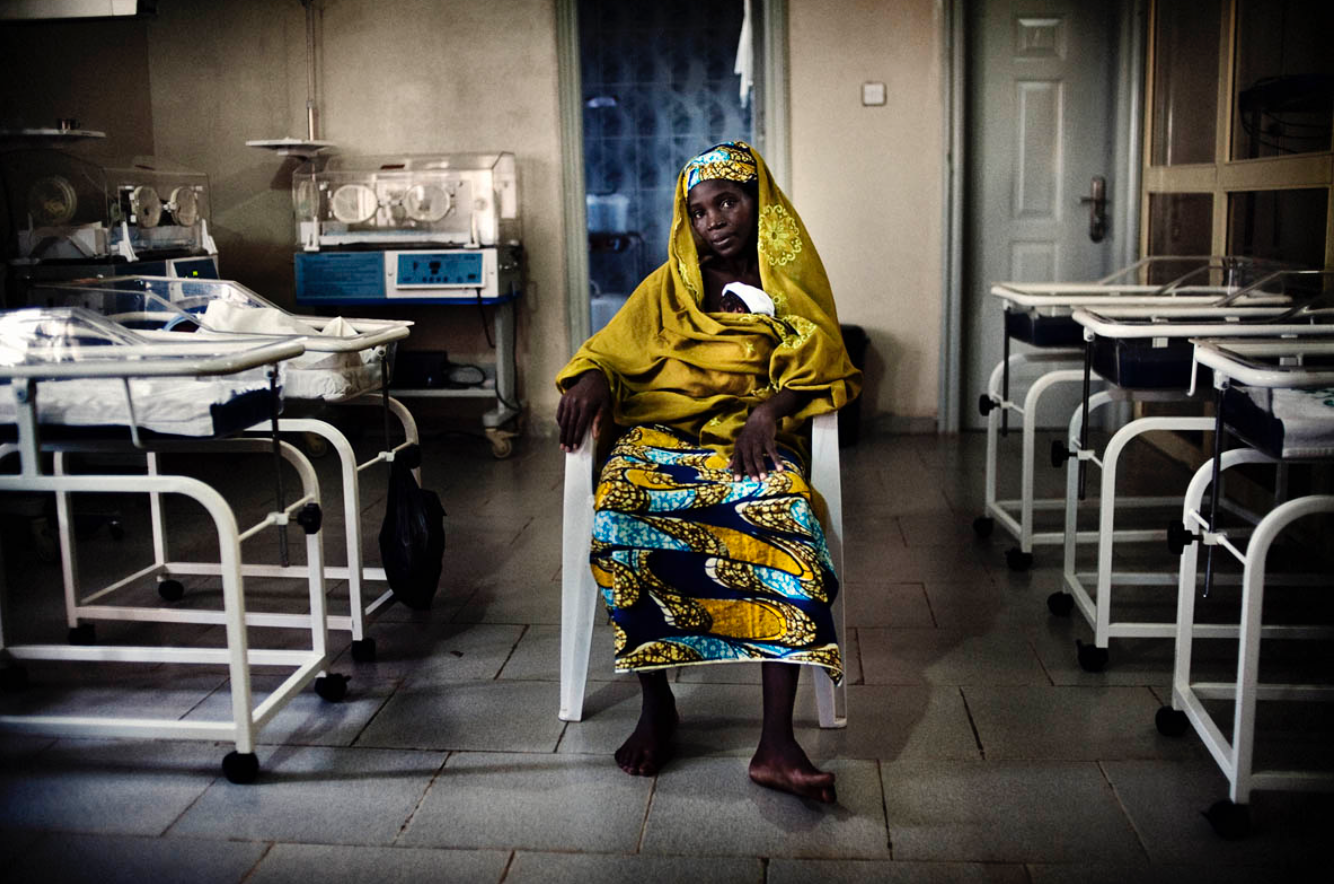
In Nigeria, stories like these are painfully common. A woman in need of an emergency C-section is wheeled into a hospital. The doctors are ready. The operating room is available, but the surgery is delayed because her husband hesitates to sign the consent form. He is overwhelmed by the cost of the procedure. Every passing minute increases the risk of death.
I witnessed this scenario firsthand, pleading with a husband to approve a life-saving surgery for his wife. He wasn’t scared of post-surgery medical complications, nor was he holding back because of religious beliefs. His fear was the financial burden of the surgery. This personal experience is a reflection of Nigeria’s maternal healthcare crisis.
According to the World Health Organization and UNICEF, Nigeria accounts for about 20 percent of global maternal deaths, despite having roughly 3 percent of the world’s population. In 2023 alone, an estimated 75,000 Nigerian women died from pregnancy-related complications. The country’s maternal mortality ratio stands at approximately 1,047 deaths per 100,000 live births, one of the highest rates globally.
Health experts warn that the impact goes far beyond the mother. For every maternal death, multiple newborns are also lost or left vulnerable, creating a ripple effect that affects families and entire communities.
The Root Causes.
Several interconnected factors continue to drive these deaths.
*Poverty*: According to the National Bureau of Statistics and the World Bank, more than 40 percent of Nigerians live below the poverty line. Most healthcare expenses, including emergency obstetric care, are paid out of pocket. When families cannot afford immediate treatment, delays become deadly.
*Shortage of Skilled Birth Attendants*: The World Health Organization recommends at least 4.45 doctors, nurses, and midwives per 1,000 people. Nigeria falls far below this threshold. The Nursing and Midwifery Council of Nigeria reports fewer than 200,000 registered midwives serving a population of over 217 million, with most concentrated in urban areas.
*Weak Healthcare Infrastructure*: The Federal Ministry of Health has acknowledged that many primary healthcare centers lack necessities such as electricity, clean water, blood banks, and functioning operating theaters. These gaps make timely emergency care impossible in many rural communities.
*Substandard and Unavailable Medicines*: Postpartum hemorrhage is one of the leading causes of maternal death in Nigeria. Studies published in The Lancet Global Health have shown that substandard oxytocin, a drug critical for preventing excessive bleeding after childbirth, is widespread in low-resource settings, reducing its effectiveness during emergencies.
Expert Insights.
Prof. Oluwarotimi Akinola, Professor of Obstetrics and Gynaecology, explains the wider consequences of maternal deaths: “For every maternal death, there are likely about eight perinatal deaths, indicating that the ripple effect of maternal mortality extends far beyond the mother alone.”
Dr. Efunbo Dosekun, Senior Paediatrician and neonatal health advocate, points to systemic failures rather than isolated problems: “Nigeria’s high neonatal mortality rate is not just a funding issue. It is a crisis of coordination, referral systems, and timely access to skilled care.”
The Way Forward.
Experts agree that reducing maternal deaths in Nigeria is achievable with targeted action.
– Expand health insurance coverage so emergency obstetric care, including C-sections, is fully covered under the National Health Insurance Authority, especially for low-income families.
– Remove user fees for childbirth services, as countries like Ghana and Rwanda have done successfully.
– Strengthen referral and emergency transport systems so women can reach equipped facilities quickly.
– Invest in training and retaining midwives, particularly in rural areas, through incentives and safer working conditions.
– Ensure the availability of quality-assured essential medicines, including oxytocin, magnesium sulfate, and antibiotics, by strengthening drug regulation and supply chains.
Nigeria has the knowledge, the professionals, and the policy frameworks to save mothers’ lives. What is missing is urgency and implementation. No woman should face fatal delays because quality childbirth is unaffordable. Until maternal care is treated as a right, the unseen struggle will continue, costing lives that could’ve been saved.
By Esther O.


QQ88 mang đến cổng truy cập giải trí online hiện đại, vận hành ổn định và đảm bảo sự thuận tiện cho người dùng.
Super-Duper blog! I am loving it!! Will be back later to read some more. I am taking your feeds also.