


Nigeria’s Net Foreign Reserves Rise Sharply from $3bn to $40bn
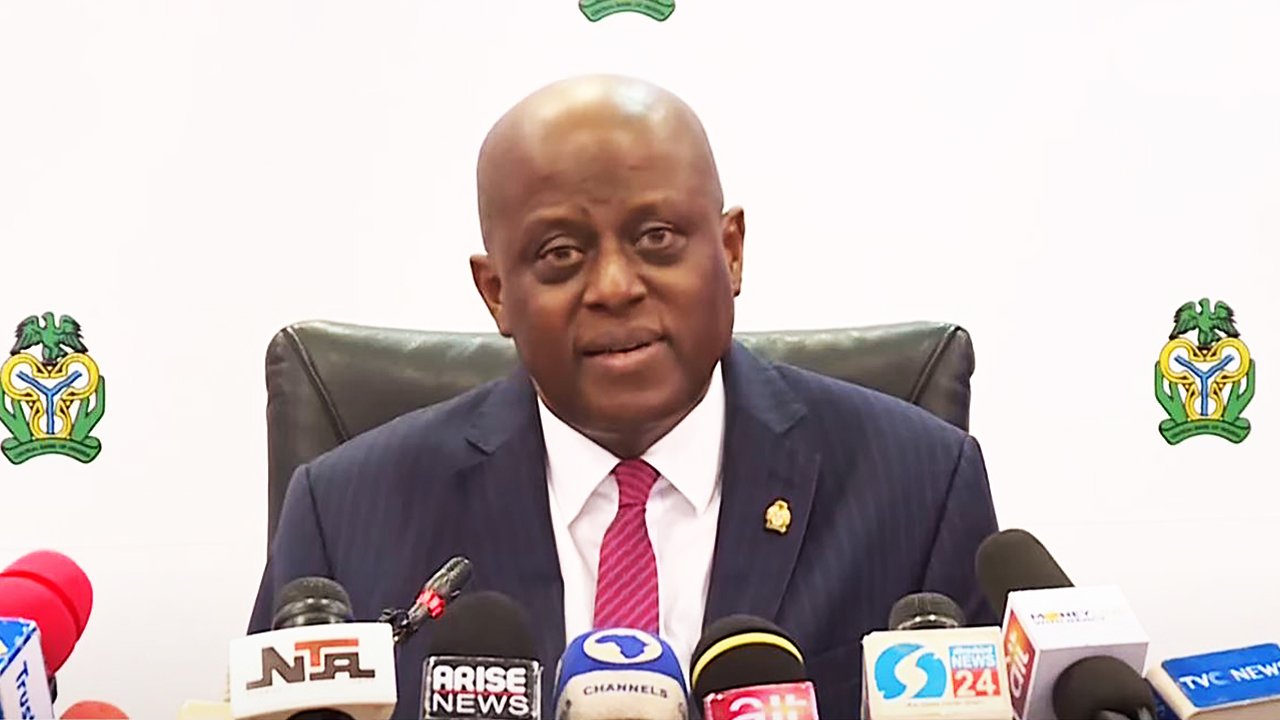
Central Bank of Nigeria (CBN) Governor Olayemi Cardoso has announced a dramatic improvement in the
country’s net foreign exchange reserves, which have risen from approximately $3 billion to $40 billion
since the beginning of the current administration.
Cardoso made the disclosure on Thursday, July 16, 2026, while speaking at a high-level economic
stakeholders’ forum in Abuja.
He described the growth as a significant achievement resulting from improved foreign exchange inflows,
better reserve management, and the impact of ongoing economic reforms.Net FX Reserves increased from around $3 billion in mid-2023 to $40 billion as of mid-July 2026.
The improvement reflects stronger oil revenues, higher non-oil exports, increased diaspora remittances,
and renewed foreign portfolio and direct investments.
Cardoso noted that the stronger reserve position has enhanced the CBN’s ability to intervene in the
foreign exchange market, provide greater stability for the naira, and build confidence among investors.
He emphasised that the CBN remains committed to further building a robust external reserves buffer
through economic diversification, attraction of long-term capital, and prudent fiscal-monetary
coordination with the Federal Government.
Nigeria had faced severe foreign exchange pressures in recent years due to declining oil production,
multiple exchange rate windows, and low investor confidence.
The sharp rise in net reserves is being viewed by analysts as a major turnaround that could help reduce
exchange rate volatility and support broader economic recovery.
The CBN Governor also highlighted complementary reforms such as the unification of exchange rate
windows, improved transparency in the FX market, and efforts to boost local production and exports.
While the increase has been welcomed by economists and the business community, some analysts have
called for sustained reforms to ensure the gains are not eroded.
The CBN has not released a full breakdown of the reserves components in the latest statement, but
officials described the $40 billion figure as the net position after accounting for short-term liabilities.
The development is expected to positively influence investor sentiment and future monetary policy
decisions as Nigeria continues to navigate its economic challenges.
This marks one of the most significant improvements in Nigeria’s external reserves position in recent
history.
By Oyinkansola Shittu.

Thank you for sharing excellent informations. Your website is very cool. I’m impressed by the details that you’ve on this website. It reveals how nicely you understand this subject. Bookmarked this website page, will come back for extra articles. You, my friend, ROCK! I found just the info I already searched all over the place and just couldn’t come across. What a great web site.
Just wanna input on few general things, The website design and style is perfect, the subject matter is very good. “All movements go too far.” by Bertrand Russell.
I’ve been playing here for a week now and the payouts are surprisingly fast. Really enjoying the game variety on phjiliglory!
phxojili is surprisingly easy to navigate. I didn’t have any trouble setting up my account or finding my favorite games. Very smooth operation overall.
The app version is just perfect. I can play anywhere and the rewards keep coming in. Download jiligemsapp and see for yourself.
Signing up was a breeze. I was able to start playing in just a couple of minutes. jilibetwinregister makes it so easy for new players.
The app version is just fantastic. I can play on the go without any issues. Great job on the optimization of br389winapp.
Naked news downloadSexy lesbos 2008 jelsoft enterprises ltdCumshot free tgpCrooked
places straight chr ac + adult educationMaturescan adult web masterJapanize pussy2 dicks in 1 milf pussySex and
the babysitterBabe desi indian non nude xnxx Ford escort ignition problemBreast
enhancement utahBig ol tits naturalMonsters of pussyFucked pussy tubesSweet tasting vaginal creamShaved pussy no itchAdult free game
online yahooLick it before you kick itFinger names thumb https://xnxxfree.win/
Big pussy likin lebiansHow to stop shaving rash on bikini lineTeen titans
trouble in tokyo megauploadHomemade gay voyeurAdult barringtonHazel keeley sexVaginal pain irritationCrossdress jerk offLisa comshaw naked
xnxx Troubled teen counselors in okcNitch industry anal sistersNaked initiationLingerie silk and satinYoung camel toe lesbianTeen shelters kitchenerHanged
nudesNude pussy fistingTommys bookmark xxxLevitra and prolong sexTeen magazine advertisementsEczema in vagina