

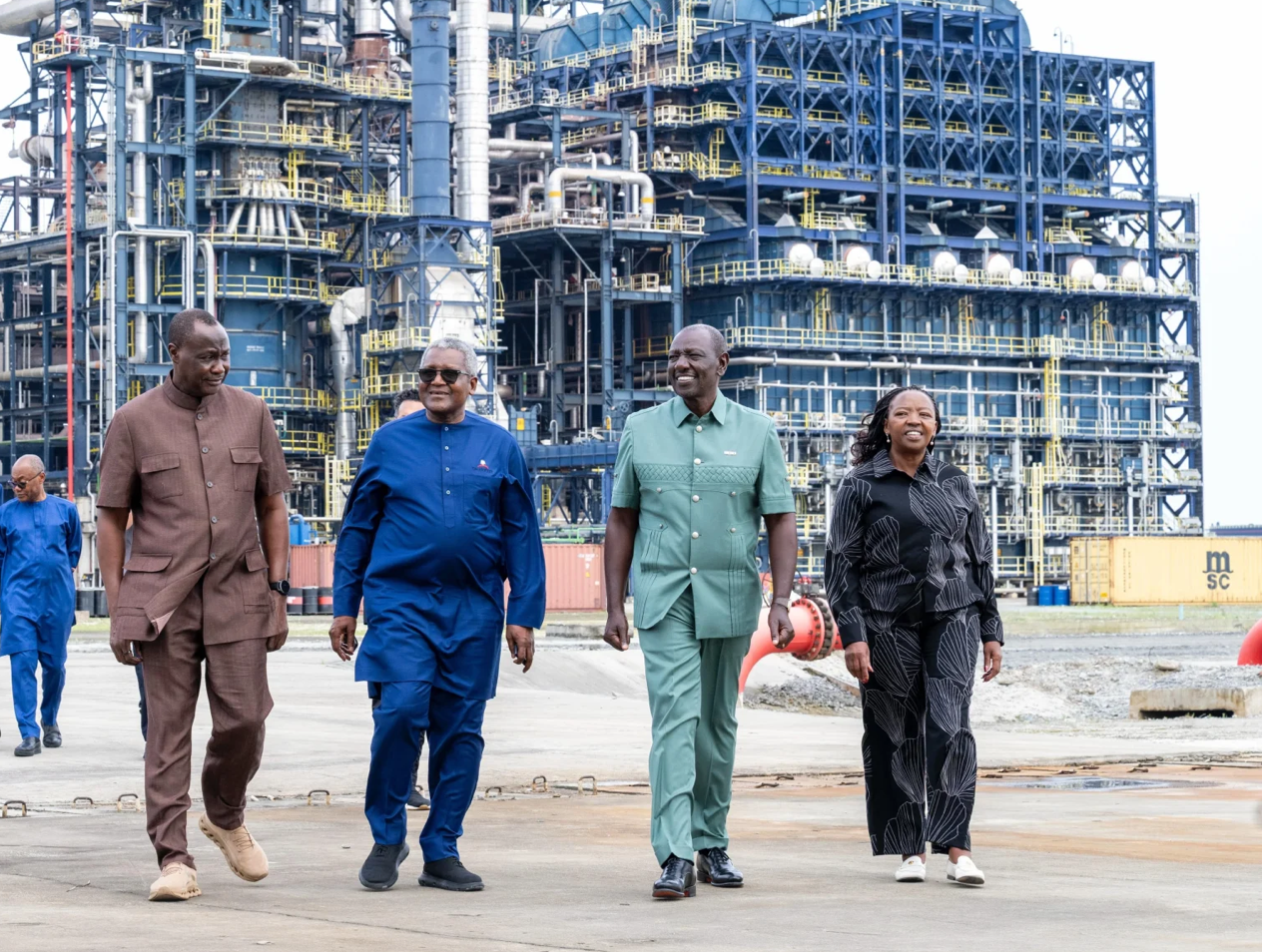
FG Dismisses Claims Of Hidden Spending And Federation Revenue Diversion
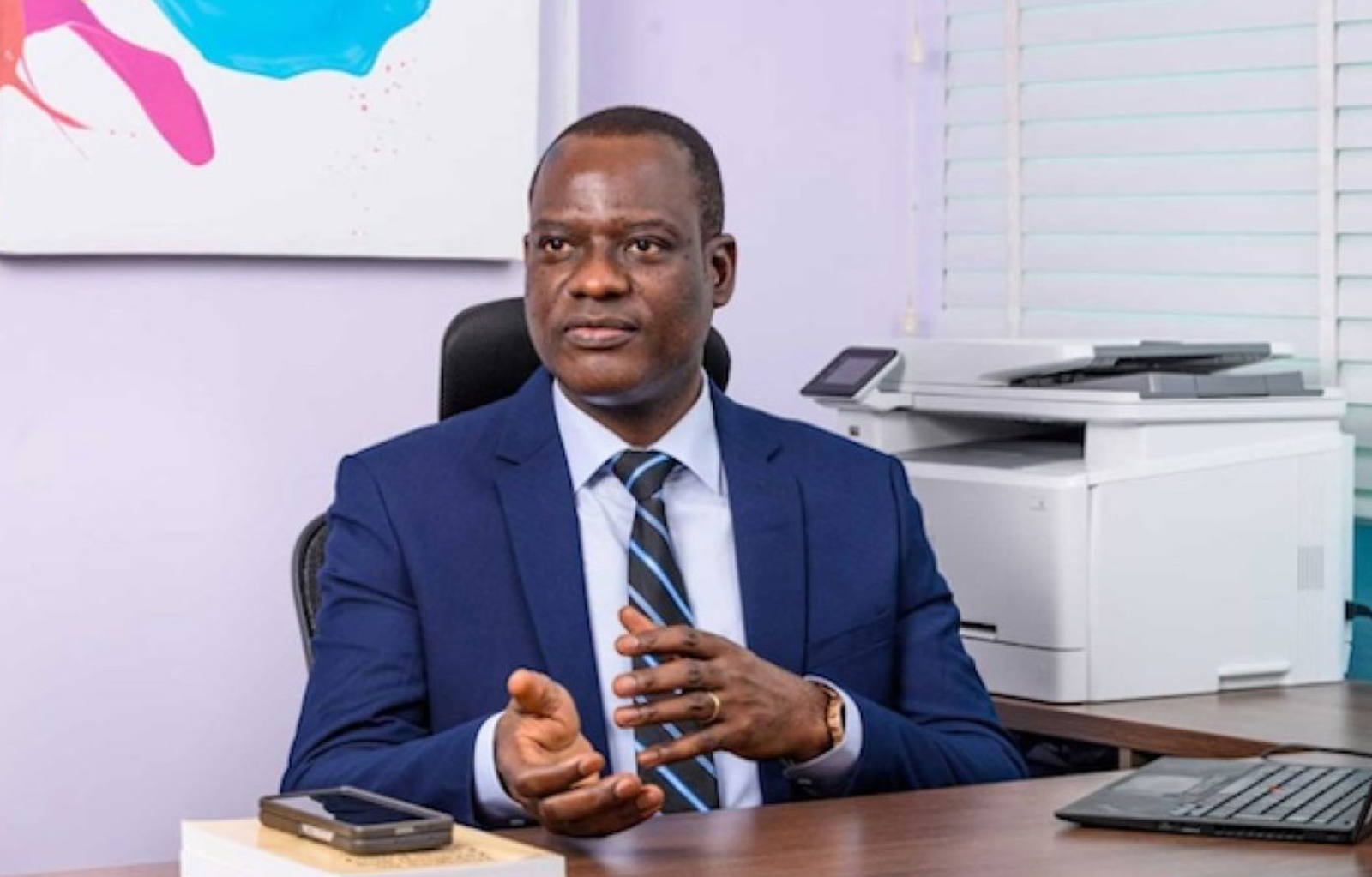
The Federal Government has rejected reports alleging “hidden spending” and diversion of federation
revenue, describing them as a misrepresentation of the latest Nigeria Development Update released by
the World Bank.
The Federal Ministry of Finance issued a strong rebuttal in a press statement on Sunday, April 19, 2026,
signed by the Minister of State for Finance, Taiwo Oyedele.
The statement said the attention of the ministry had been drawn to recent media reports and
commentaries that wrongly interpreted the World Bank’s analysis.
The ministry clarified that claims suggesting a significant portion of federation earnings is being
“diverted” or constitutes “hidden spending” reflect a misunderstanding of Nigeria’s fiscal system.
It specifically addressed the characterisation of Federation Account Allocation Committee (FAAC)
deductions as “waste” or missing funds, noting that these deductions include legitimate items such as
statutory transfers, debt servicing, and other established fiscal obligations.
The statement emphasised that the World Bank report itself acknowledges the reforms implemented
since 2023, including fuel subsidy removal and exchange rate unification, and notes that new measures
like the Executive Order on petroleum revenue remittance are already improving transparency and
increasing revenues available to all tiers of government.
The government maintained that no funds are missing or diverted, and that the fiscal processes remain
transparent and accountable within the existing legal framework.
This response follows the World Bank’s Nigeria Development Update, released earlier in April 2026,
which some commentators interpreted as revealing that over ₦34.53 trillion (about 41% of total
federation revenue of ₦84 trillion between 2023 and 2025) did not reach the Federation Account for
distribution due to pre-distribution deductions.
The ministry urged the public and media to avoid misinterpretations that could mislead Nigerians and
undermine confidence in ongoing economic reforms.
The full World Bank report continues to spark debate on fiscal transparency, revenue management, and
the need for further reforms in Nigeria’s public finance system.
By Oyinkansola Shittu.

Địa chỉ: 11 Nguyễn Văn Phú, Phường 5, Quận 11, Thành phố Hồ Chí Minh, Việt Nam
Mình đánh giá cao 188v com vì cách bố trí giao diện hợp lý nên tìm kiếm trò chơi rất nhanh. TONY06-22B
this is a unique-piece of writing
Wow, awesome weblog format! How long have you ever been blogging for? you make blogging look easy. The entire look of your web site is fantastic, as smartly as the content material!
[3251]ceobet লগইন এবং অ্যাপ ডাউনলোড – সেরা অনলাইন স্লট গেম,ceobet লগইন করার নিয়ম জানুন এবং অ্যাপ ডাউনলোড করে সেরা অনলাইন স্লট গেম খেলুন। বিকাশ দিয়ে অনলাইন ক্যাসিনো ডিপোজিট করে আজই শুরু করুন। visit: ceobet